How to Get Rid of Ants in Your Kitchen in Scarborough
Why ants keep showing up in Scarborough kitchens
If you are facing kitchen ants, the starting point is learning why they keep coming back. In many homes, an ant infestation starts because ants find simple access to sugar sources, moisture, and shelter. In Scarborough, that can happen in detached homes, townhomes, and high-rise condos alike, but the paths they take may differ based on the property type.
Usual pests include odorous house ants and pavement ants, both of which are especially drawn to crumbs and sticky spills. Pharaoh ants can also be a problem in multi-unit buildings, while carpenter ants may be found when there is hidden wood damage or a damp nesting site. These species do not show up at random; they follow trail pheromones from a food source back to the colony.
In many Scarborough homes, ants enter through entry points around windows, plumbing lines, vents, and doors. Even tiny cracks and crevices can be enough. Once they find food and water, they will keep using the same route unless the access point is sealed and the source is removed. That is why pest control Scarborough services often focus on both sanitation and exclusion.
Dampness is another major factor. Kitchens near sinks, dishwashers, or basement-level walls can provide a reliable moisture source. In older Scarborough homes, hidden leaks and poor ventilation can contribute to persistent ant activity. Warm, wet Toronto weather in spring and summer can also increase seasonal pressure, making seasonal infestations more noticeable after rain or temperature swings.
What attracts ants to kitchens indoors
Ants come indoors searching for food, hydration, and protection. The primary attractants are basic: crumbs, spills, and food residue. A few fallen cereal pieces under a fridge or sticky syrup on a counter can be enough to create a consistent ant trail.
Pet food is another common issue. Bowls left out overnight can draw ants quickly, especially if the food contains grains or moisture. Similarly, standing water in sinks, dish racks, or trays under plants gives ants the hydration they need to stay active indoors.
Dirty dishes left in the sink can become a feeding site even if the food scraps are tiny. Garbage bins without tight lids or bags with residue can also attract ants, especially when the kitchen is warm and humid. In many cases, the kitchen pest problem is less about one obvious spill and more about a pattern of small opportunities.
That is why food cleanup and sanitation are essential parts of home prevention. A clean kitchen does not just appear cleaner; it removes the signals that tell ants a room is worth revisiting. Once a colony finds a reliable indoor food source, it may send more workers, making recurring ants seem like a permanent problem.
How to remove ants in the kitchen quickly
To eliminate ants quickly, you need to act on the trail itself and the attractants that are drawing them in. Start by identifying the ant trails. Trace them carefully to see where they enter, where they travel, and what they are targeting. You may notice them near counters, pantry areas, windowsills, baseboards, or under appliances.
Wipe the trail immediately with soapy water. This helps strip away the scent markers and trail pheromones ants use to navigate. A damp cloth with dish soap is often more effective than dry wiping because it disrupts the chemical trail and removes food residue at the same time.
Vacuuming can also help, especially if ants are moving along floors, behind a fridge, or near baseboards. Vacuuming removes workers and debris, and it can reduce the number of foragers that return to the same route. Be sure to empty the vacuum promptly so ants do not survive inside the canister or bag.
For longer-term control, use ant bait rather than relying only on sprays. Bait stations allow ants to carry the active material back to the nest, supporting colony control at the source. A smart baiting strategy often works better than trying to kill visible ants on contact. Place baits along trails but away from direct cleaning or food prep areas.
Sprays can kill visible ants quickly, but they may not solve the deeper problem if the ants are part of a larger colony. In some cases, an insecticide spray can even scatter ants or make them relocate to another wall void or hidden area. If you use a spray, treat it as a short-term measure, not the main solution.
A balanced approach often includes:
- Wiping away the trail immediately
- Getting rid of food and water sources
- Setting ant bait near active routes
- Blocking obvious entry points
- Checking for new activity over the next several days
If the ants are still active after cleaning and baiting, the problem may involve a hidden nest or another access point elsewhere in the home.
Why DIY ant control frequently fails
Do-it-yourself methods often fail because they treat the symptom, not the source. If you do not identify the correct nest location, the ants will keep returning from the broader colony. In many infestations, the visible ants in the kitchen are only a limited portion of the total population.
The queen ant is the key to colony survival. Killing a few workers does not fix the issue if the queen keeps producing more. That is one reason baiting can be more effective than spray-only methods: the bait is taken back to the colony and can help break the reproduction cycle.
Another challenge is hidden activity. Some species, especially pharaoh ants, can split into multiple satellite nests when disturbed. That makes colony control more difficult and can lead to reinfestation even after a seemingly successful cleanup. In multi-unit buildings, ants may also move between units through shared wall voids and utility runs.
Sometimes the sign you are missing is frass, which can indicate carpenter ants if there is wood nesting nearby. Carpenter ants are different from common kitchen ants because they can point to a structural moisture issue or decayed wood, not just a food problem. If you see frass, especially near damp areas, that is a strong reason to investigate further.
Home treatments also fail when homeowners focus only on the ants they can see. Without sealing cracks and crevices, correcting moisture issues, and using the right baiting approach, the infestation can cycle back within days or weeks. That is why a complete plan usually combines sanitation, exclusion, and targeted treatment.
When to call pest control in Scarborough
You should speak with a specialist when the ant problem is more than a single issue. If you have a significant infestation size, keep seeing recurring ants, or suspect a hidden nest, a professional pest inspection is the most effective next step. A trained technician can identify the species, evaluate the access points, and recommend the right control method for your home.
This is especially useful in Scarborough because building styles vary so much. Detached homes may have crawl spaces, basements, or aging exterior seals. Townhomes often share walls and utility penetrations, which can allow ants to travel https://brampton-ontv414.quantlynix.com/posts/low-cost-guide-to-travel-costs-in-scarborough-on from one unit to another. High-rise condos can face condo pests that move through service chases, kitchens, and shared infrastructure. In these settings, treatment plans often need to follow building rules and align with property management.
Professional help is also valuable when you need more than a quick kill. A local technician may use integrated pest management, which includes inspection, monitoring, bait placement, sanitation guidance, exclusion, and follow-up. This approach aims to reduce the problem in a targeted, lower-impact way rather than relying on repeated chemical applications.
If you are unsure whether the issue is ants, moisture damage, or a hidden nesting site, a pest control Scarborough provider can help you narrow it down. A good local pest service will consider your building type, the season, and whether the ants are coming from inside the structure or from outdoors.
Preventive tips for Scarborough homes and condos
Long-term prevention starts with closing and sanitizing. Use caulking around windows, trim, baseboards, pipes, and utility openings to help seal entry points. This can be especially effective when ants are entering through small gaps in kitchens, bathrooms, or laundry areas.
Pay attention to food storage. Keep dry goods in sealed containers, wipe pantry shelves regularly, and do not leave fruit, baked goods, or pet treats exposed. Strong sanitation habits keep the kitchen less attractive to foraging ants and reduce the chance that a colony will keep returning.
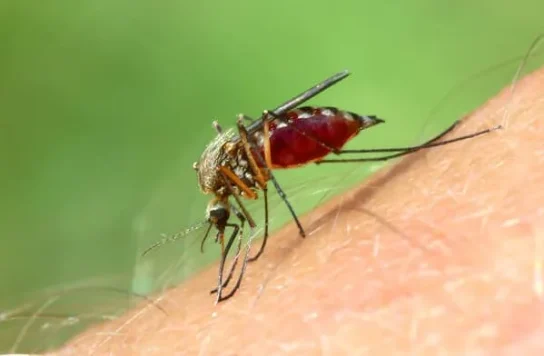
Baseboards deserve special attention because ants often travel along edges and corners. If you see movement near baseboards, check for tiny gaps where flooring meets walls or where cabinets are not fully sealed. These are common routes for indoor ant movement, especially in older buildings.
Humidity control matters too. Kitchens, bathrooms, and lower-level rooms can trap moisture, which supports ant activity and other pests. Use fans, repair leaks quickly, and run dehumidifiers where needed. Good moisture control is one of the simplest ways to make your home less inviting to ants.
For homeowners and renters alike, prevention should include these habits:
- Clean counters and floors after meals
- Keep food in sealed bins
- Take out garbage regularly
- Address plumbing drips quickly
- Inspect under sinks for dampness
- Make sure pet feeding areas clean
These steps support home prevention by removing the things ants need most: food, water, and access. They also make it easier to spot new activity before it becomes a full-blown ant infestation.
Local ant control considerations in Scarborough
Scarborough has a wide mix of housing, and that changes how ant control should be managed. In detached homes, ants may enter through foundation gaps, kitchen windows, or basement-level openings. In townhomes, shared walls and plumbing runs can complicate the route from the outside to the kitchen. In high-rise condos, building systems and shared spaces can make interior baiting and exclusion the best options.
Basements are a special concern in many Scarborough properties. Basement moisture can come from seepage, condensation, or minor leaks, and ants often follow that dampness into lower levels. Once inside, they may move upward toward kitchens and food prep areas. If your kitchen is near or above a damp basement wall, the moisture issue below may be feeding the pest issue above.
Seasonal activity also matters. In the Toronto area, ants often become more noticeable in spring and summer after warm, wet weather. Rain can push outdoor colonies closer to structures, while heat increases foraging. That means seasonal infestations may spike even if your home was quiet in winter.
Condos and apartments in Scarborough may require a different approach because of building rules and shared-wall pest movement. In these cases, exclusion may focus on interior sealing, cabinet gaps, and plumbing penetrations, while baiting is used carefully to avoid disturbing the colony. A technician familiar with local conditions can recommend targeted treatment that fits the building layout.
Whether you live in a semi-detached home near Birch Cliff, a condo near Scarborough Town Centre, or a townhouse community farther north, the same basic principles apply: identify the species, remove the food source, reduce moisture, and block access. The details change with each property type, but the strategy stays focused on long-term control.
Frequently asked questions about removing ants from your kitchen
Mosquito Man Scarborough1225 Kennedy Rd, Scarborough, ON M1P 4Y1, Canada
+1 647-243-7241
https://maps.app.goo.gl/8SuLx1MkkqVJFc2m9 https://mosquitoman.ca/pest-control/scarborough/
43.7561897, -79.2751574
What’s the quickest way to get rid of ants in my kitchen?
The best fast method is to remove the ant trails using soapy water, eliminate any food source, and set out ant bait near the active route. Vacuuming visible ants can help right away, but the most important step is interrupting the colony’s access to food and water. If the problem persists, a professional pest inspection may be needed to find the nest and stop the infestation at the source.
Is spray better than bait for kitchen ants?
Spray treatments kill visible ants quickly, but they usually do not solve the deeper problem. Bait products is often the better choice for long-term control because ants carry it back to the nest and it can affect the colony, including the queen ant. For many kitchen ant problems, a combined baiting strategy and sanitation plan works better than using an insecticide spray alone.

Why do ants keep coming back even after cleaning?
Ants can return because cleaning removes crumbs but does not always remove the colony, the nest, or the pathway in. When entry points, cracks and crevices, or damp conditions remain, new workers can continue following trail pheromones into the kitchen. Seeing them again may also indicate a hidden nesting site or a nearby outdoor colony driving repeated ant activity.
Can vinegar or borax help with ants?
Home remedies can be useful in some cases, but they are not always sufficient by themselves. Vinegar may break up scent trails briefly, and borax solution can be used in a bait formula when applied correctly. However, if the infestation is active or widespread, these methods may not match the effectiveness of a focused baiting strategy or professional treatment. Always use care with any product in kitchens, especially around children and pets.
When ought to I call pest control Scarborough for ants?
Reach out to pest control Scarborough when you have persistent ants, can’t find the source, or notice a more serious infestation size. You should also call if you see signs of carpenter ants, frass, basement moisture, or activity that seems to be extending between rooms or units. A local pest service can offer a professional pest inspection, recommend exclusion and integrated pest management, and apply targeted treatment based on your home, condo, or townhouse.