Pest Prevention in North York: Local Prevention for Waterfront Areas, Parks and Heritage Areas
If you reside or run property in North York, ON, pest pressure can shift sharply from one block to the next. Closely packed apartment areas, older houses, commercial strips, and neighbourhoods near waterfront areas, parks, and historic spots all produce different conditions for seasonal pests. That mix is exactly why pest control North York should be approached as local pest prevention, not a universal fix.
North York sits within the larger Toronto urban landscape, but its neighbourhoods have their own rhythms. Mature trees, landscaped yards, ravines, and green corridors can harbor pests, while older building stock and mixed-use structures can create more entry points. Add changing weather, heavy rainfall, and freeze-thaw cycles, and you get the kind of environmental conditions that can increase pest activity around homes and businesses.
This guide looks at how to lower risk in North York by understanding where pests live, how they move, and what property owners can do to improve property protection through preventive maintenance, sanitation, and timely inspections.
Learning about pest pressure in North York neighborhoods
North York’s neighbourhoods are mixed, and so is the pest pressure. In some areas, dense residential buildings and busy commercial zones create heavy urban pest habitats with plenty of food, shelter, and travel routes. In others, homes backed onto green space or near ravines may face more activity from insects and rodents moving between nesting areas and protected outdoor harborage.
The mix of housing in North York, from older detached homes to condo towers and mid-rise buildings, means pests can exploit different structural gaps. In a compact urban setting, even small cracks or utility penetrations can become consistent access routes. That is especially true during periods of seasonal pest activity, when pests seek warmth, water, and food indoors.
For homeowners and property managers, local pest prevention means paying attention to the specific conditions around each building. A home near mature trees may face different issues than a storefront along a busy road or a low-rise rental property near a green corridor. In all cases, reducing food sources, blocking access, and improving monitoring are essential parts of effective urban pest control.
North York’s seasonal changes also matter. As temperatures shift, pests become busier outdoors and then move toward sheltered indoor spaces. That makes preventive maintenance important before the peak pressure arrives. Looking for infestation signs early can help prevent stress, and repair costs later.
Typical nuisances affecting houses near parks, trails and green spaces
Properties near parks, trails, and landscaped areas often face more insect and rodent activity than properties in fully sealed dense zones. In North York, that means residents may need to look out for ants, mice, rats, and wasps, especially where outdoor food, garbage, and shelter are easy to find.
Ants are often drawn to kitchens, basements, and utility spaces. They can enter through tiny openings and may follow scent trails from outside nesting areas into the home. Their activity often increases when weather conditions shift or when food spills are not cleaned quickly.
Mice and rats are especially adaptable in urban settings. They use hedges, fences, shed lines, and utility routes to move between shelter and food sources. In neighbourhoods with mature trees and dense landscaping, these pests can hide well during the day and move at night. If you see droppings, gnaw marks, grease trails, or scratching sounds, those are common infestation signs that need attention.
Wasps are a seasonal concern around eaves, decks, porches, and outdoor play spaces. They may build nests in sheltered rooflines or under railings, particularly where there are easy access points and low disturbance. For families enjoying North York’s parks and green spaces, this can become a nuisance in late spring and summer.
Other common pests in the area include cockroaches, spiders, mosquitoes, and bed bugs. Cockroaches often flourish where moisture and food residue are present, while spiders are frequently found in quiet corners, basements, and storage areas. Mosquitoes can become a major problem near damp yards or standing water. Bed bugs are not tied to green space, but dense housing and travel-related movement through Toronto make them an important concern for apartments, condos, and shared living spaces.
Good monitoring supports with early discovery. Property owners should look for changes in movement around windows, vents, garbage areas, and basement entrances. In some cases, a minor issue outdoors can become an indoor problem if it is not addressed quickly.
Lakefront and drainage areas: why moisture attracts pests
Moisture is one of the biggest causes of pest activity in North York. Properties near waterfront areas, low-lying lots, and drainage corridors often face higher exposure to pests that depend on damp conditions. Managing moisture is therefore a core part of local pest prevention.
Stagnant water creates ideal conditions for mosquitoes, while damp soil and poorly drained landscaping can support ants, flies, and other insects. If gutters overflow, downspouts discharge too close to the foundation, or rainwater pools near doors and window wells, pests may find the site more attractive. These moisture sources can also increase the chance of decay, which in turn creates more entry opportunities.
Poor drainage often start small. A clogged eavestrough, grading that slopes toward the house, or a backyard area that holds water after heavy rain may not seem urgent, but they can contribute to long-term pest pressure. In urban and suburban pockets of North York, the combination of paved surfaces and limited soil absorption can make water management even more important.
For property owners, moisture control should include regular checks around foundations, patios, window wells, and low points in the yard. Make sure water moves away from the structure, and inspect for leaks in basements, utility rooms, and crawl spaces. If a property has recurring dampness, the issue may require drainage improvements, not just pest treatment.
Lowering dampness also supports broader property protection. Dry, well-maintained buildings are less appealing to pests and easier to inspect. When conditions stay damp, pests are more likely to find food, shelter, and harborage.
Heritage residences and older buildings: unseen entryways
North York includes many older residences and mixed-use buildings that bring charm, character, and sometimes more pest vulnerability. Established landmarks and long-standing neighbourhoods often feature construction details that can develop foundation cracks, settling trim, worn seals, and aged utility penetrations over time.
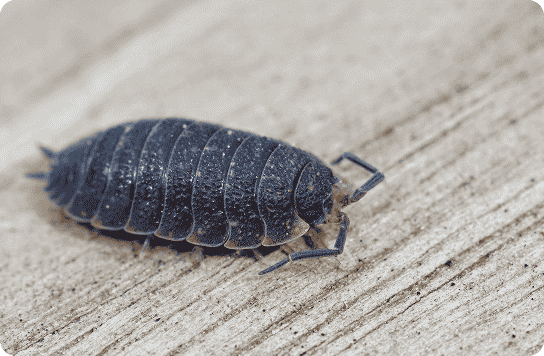
One of the most common problems is that small gaps are easy to overlook. But even minor openings around the foundation, siding, vents, and service lines can become dependable access routes for mice, ants, and other pests. Seasonal freeze-thaw cycles in North York can expand these gaps, making it more likely for pests to move indoors as temperatures fall and rise again.
Rooflines are another frequent vulnerability. Damaged flashing, loose soffits, and gaps around fascia boards can allow wasps, spiders, and even rodents to enter hidden spaces. In older buildings, worn roofing materials and repeated weather exposure can create enough opening for pests to form sheltered nests.
Attics and lower levels are especially important to inspect. Attics may provide warmth, insulation, and quiet nesting space for rodents or insects. Basements often combine moisture, stored items, and utility access, creating perfect https://mississauga-onai896.zenbloomer.com/posts/signs-of-the-signs-of-a-termite-problem-in-north-york conditions for infestation if they are not kept dry and tidy. If a basement includes cluttered storage or unfinished utility runs, it can be harder to spot early infestation signs.
For heritage-inspired homes and older properties, preventive maintenance should focus on sealing and monitoring before pests move in. A thorough professional inspection can identify weak points that are easy to overlook, especially where structural gaps are hidden behind finish materials.
Local prevention guidelines for North York residents
Effective pest prevention starts with regular maintenance. In North York, that means managing the things pests use most: food, water, and shelter. The best protection come from practical habits that limit attraction and reduce access.
- Garbage storage: Place garbage bins firmly shut and positioned away from doors where possible. Wash containers when needed and avoid overflow that can attract rodents, flies, and wasps.
- Food waste: Wipe up crumbs, spills, pet food, and recycling residue quickly. Food waste left in kitchens, garages, or outdoor bins can attract ants, mice, and cockroaches.
- Exclusion sealing: Fill cracks, gaps, and openings around pipes, vents, doors, and windows. This is one of the most effective ways to reduce entry points and protect against repeated pest access.
- Landscaping maintenance: Prune shrubs, reduce heavy ground cover, and keep branches away from roofs and siding. Well-managed landscaping limits hidden travel routes and nesting areas near the structure.
- Monitoring: Examine basements, attics, storage rooms, and kitchen edges for droppings, chewed materials, insect trails, and other infestation signs. Early detection supports faster response.
Outdoor maintenance deserves special attention in North York because mature trees and lush yards are part of the area’s appeal. However, dense plantings can also provide cover for rodents and insects if they are not maintained. Maintain mulch levels moderate, remove debris piles, and avoid storing materials directly against exterior walls.
Trash control also matters around apartment buildings, townhomes, and commercial properties. Shared waste areas should be cleaned regularly, and bins should not be left overflowing. Wildlife attractants such as open compost, loose pet food, and uncontained recyclables can quickly increase pest activity.
These simple steps are not an alternative for professional support when needed, but they do strengthen day-to-day local pest prevention. They can make any future treatment more effective by minimizing the conditions pests rely on.
When should you to call a trained pest control service
Certain pest issues can be reduced through upkeep and watching, but others need a specialist response. If you notice ongoing activity, frequent sightings, or damage that continues to returning, it may be time for a expert inspection. This is especially true when pests appear in several areas all at the same time or when the source is difficult to identify.
A dependable pest control provider should commence with a detailed inspection. This inspection should examine exterior walls, basement conditions, attic access, rooflines, utility runs, and any areas where moisture or food waste may be supporting pest activity. The goal is to determine how pests are entering, where they are nesting, and what conditions are allowing them to persist.
From that point, the service should use integrated pest management, not just a simple spray. Integrated pest management includes pest identification, inspection, sealing entry points, cleaning, habitat reduction, and focused treatment. In practical terms, that means a plan designed around the specific pest, the property category, and the level of infestation.
A suitable service plan may include perimeter applications, baiting, placing traps, and sealing recommendations. For rodent issues, placing traps and entry-point sealing often go hand in hand. For insects, the plan may focus on lowering moisture, cleaning up food sources, and disrupting access to nesting areas or harborage. For bed bugs, a specialized inspection and treatment approach is needed, especially in multi-unit buildings.
Recurring infestations are a major indicator that a bigger issue is happening. If pests keep coming back after basic cleanup, the issue may involve concealed entry points, moisture problems, or shared building vulnerabilities. In mixed-use or older structures in North York, that is often the case. A specialist can help determine whether the challenge is contained or part of a larger structural issue.
If you oversee rental units, condos, or commercial spaces, routine inspections are especially beneficial. Consistent monitoring helps detect early pressure before it extends between units or into common areas. For many North York properties, early service is more economical than repeated emergency responses.
FAQ: pest control in North York
What pests show up most often in North York homes near parks and green spaces?
Households near parks and green corridors in North York often see ant infestations, mice, rats, and wasps frequently, along with seasonal issues from mosquitoes and occasional spiders. Thick greenery, nesting areas, and nearby food sources can all increase pest activity.
How frequently should I arrange pest control in North York, ON?
It depends on the property and the level of pressure, but many homes benefit from seasonal checks, especially during periods of high pest activity. In North York, ON, properties with recurring issues, older construction, or nearby green space may need more frequent assessments and preventive visits.
Do older homes in North York more vulnerable to pest entry?
They can be. Older homes often have more cracks in the foundation, worn seals, and hidden entry points around the attic areas, the basement areas, and rooflines. Seasonal freeze-thaw cycles can widen small gaps, which makes exclusion sealing and preventive maintenance especially important.
What can I do to reduce pests around my property before calling a pro?
Focus on garbage bins, food waste, and yard landscaping. Seal obvious gaps, reduce clutter, limit moisture, and keep storage areas tidy. Good cleanliness, entry sealing, and regular monitoring can reduce pest pressure while you arrange a professional inspection if needed.
When is the best time of year for pest prevention in North York?
The ideal time is before pests become active indoors, so prevention should happen year-round with extra attention in spring, summer, and fall. In North York, seasonal shifts can change pest behaviour quickly, so seasonal treatment and routine preventive maintenance help reduce pressure before it turns into a larger problem.
For many homeowners and property managers dealing with pest control North York problems, the best approach is area-focused, hands-on, and forward-looking. By checking dampness, blocking access points, upkeeping outdoor areas, and scheduling professional support when appropriate, you can reduce pest pressure across residential streets, waterfront areas, parks, and historic spots throughout Toronto’s northern districts.